Tempered glass is everywhere: shower doors, storefronts, table tops, shelves, partitions, railings, and countless custom interior projects. Yet many people still misunderstand what it can do, how it behaves, and when it should be specified. These tempered glass facts will help you make smarter choices before you order standard or custom tempered glass for a home, business, or design project.
What is tempered glass really designed to do?
Tempered glass is designed to be stronger and safer than ordinary annealed glass, but not indestructible. It is heat-treated so the outer surfaces are placed into compression and the inner core into tension, which improves impact resistance and changes the way the panel breaks. When it fails, it typically crumbles into small granular pieces rather than long, sharp shards, making it a common choice for areas where safety matters.
That does not mean every glass application automatically calls for the same product. Thickness, size, edgework, holes, notches, hardware, exposure, and installation conditions all influence performance. A knowledgeable tempered glass manufacturer can help match the glass to the use case instead of treating every panel like a basic rectangle.
Myth 1: Tempered glass cannot break
This is the biggest misconception. Tempered glass strength is real, but the material can still break under the wrong conditions. A hard impact, damaged edge, poor installation, incorrect hardware pressure, or thermal stress can all lead to failure.
The key difference is not that tempered glass is unbreakable; it is that it is engineered to handle more stress than regular glass and to break in a safer pattern. That distinction matters. If you choose tempered glass expecting it to survive anything, you may overlook practical details like edge protection, proper support, and safe handling during installation.
A better way to think about it is this: tempered glass gives you a stronger safety glass option, not a license to ignore design limits.
Myth 2: All tempered glass strength is basically the same
Two pieces of tempered glass may look similar while performing very differently. Strength depends on more than whether the glass has been tempered. Panel thickness, dimensions, shape, edge finish, surface condition, cutouts, and support method all play a role.
For example, a small shelf, a frameless shower door, and a large office partition may all use tempered glass, but they do not carry loads or experience stress in the same way. The glass may need different thicknesses, polishing, drilling, or hardware compatibility. This is why “just make it tempered” is rarely enough information for a reliable order.
When planning a project, clarify these details:
Application: shower, tabletop, railing, door, shelf, partition, storefront, or decorative panel.
Dimensions: exact width, height, thickness, and tolerance needs.
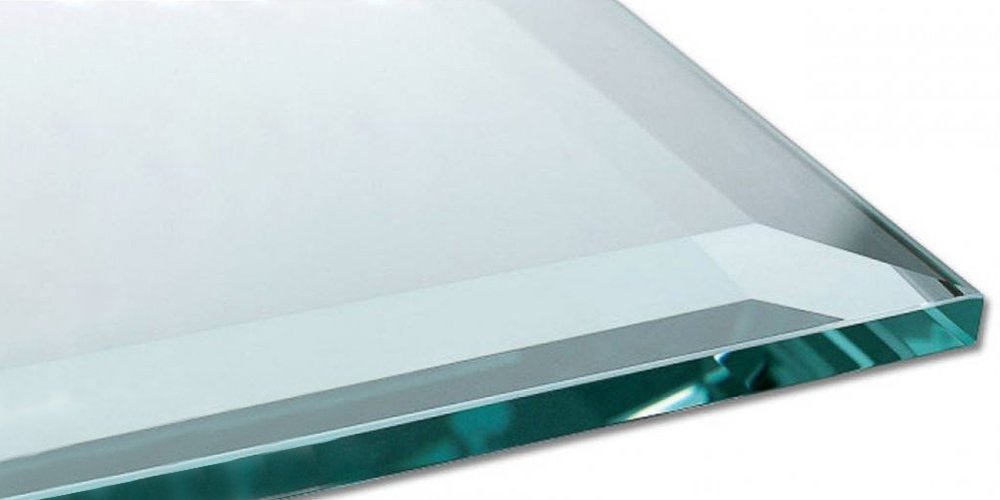
Edgework: polished, beveled, flat, pencil, or another finished edge.
Fabrication: holes, notches, cutouts, radius corners, or special shapes.
Support: clips, frames, brackets, hinges, channels, or standoffs.
Environment: indoor, outdoor, high-traffic, humid, or temperature-variable areas.
These details help a tempered glass manufacturer produce a panel that fits the real job, not just the drawing.
Myth 3: Tempered glass can be cut after tempering
This myth causes expensive mistakes. Tempered glass should be cut, drilled, shaped, and edged before the tempering process. Once the glass has been tempered, altering it can release internal stresses and cause the whole panel to shatter.
That is why accurate measurements are so important. If a panel arrives too large, the solution is usually not to trim it on-site. In most cases, it must be remade to the correct size. For custom tempered glass, even small details like hole placement or corner radius should be confirmed before fabrication begins.
A practical tip: measure twice, template when needed, and account for hardware clearances before approving production. Precision up front is much cheaper than replacing a finished panel.
Myth 4: Thicker glass is always the better choice
Thicker glass can be useful, but “more thickness” is not always the best answer. It may add weight, increase hardware demands, change the appearance, and complicate installation. In some applications, the right support system and correct fabrication matter just as much as thickness.
For instance, a tabletop may need stability and polished edges, while a shower enclosure needs proper hinge support, clearance, and panel alignment. A railing or guard application may require a completely different specification and code-aware planning. The best choice balances safety, function, appearance, and the realities of installation.
Instead of asking for the thickest option, ask what thickness is appropriate for the panel size, use, and support conditions. That question leads to a better-performing result.
Why does custom tempered glass require careful planning?
Custom tempered glass requires careful planning because most changes cannot be made after tempering. The final panel depends on accurate dimensions, approved drawings, fabrication details, and a clear understanding of how the glass will be installed. A small oversight in a notch, hole, edge, or corner can affect fit, hardware alignment, or usability.
Planning is especially important for frameless designs, where there is less room to hide uneven walls, out-of-square openings, or measurement errors. If the glass must align with tile, metal, wood, stone, or existing hardware, those surrounding materials should be considered before ordering.
Use this quick pre-order checklist:
1.Confirm the finished opening or surface measurements.
2.Note whether walls, floors, or counters are level and square.
3.Identify all hardware before approving hole locations.
4.Choose the edge finish based on visibility and touch points.
5.Review swing direction, clearances, and access needs.
6.Keep a copy of the approved drawing or template.
Good planning turns custom work from a guessing game into a controlled process.
Myth 5: Tempered glass always looks the same
Clear tempered glass may seem simple, but appearance can vary depending on thickness, iron content, edge treatment, coatings, patterns, tints, and surrounding light. A thick clear panel may show a greenish edge. A polished edge gives a more finished look than a rough or basic edge. Low-iron glass can reduce the green tint when a clearer appearance is desired.
Design context matters too. Glass used near bright tile, dark metal, wood grain, or stone can visually shift depending on reflection and lighting. If appearance is critical, it helps to discuss samples, edge details, and finish options before production.
Tempered glass is not only a safety material. It can also be a design feature when specified thoughtfully.
Myth 6: Any supplier can handle a custom glass project
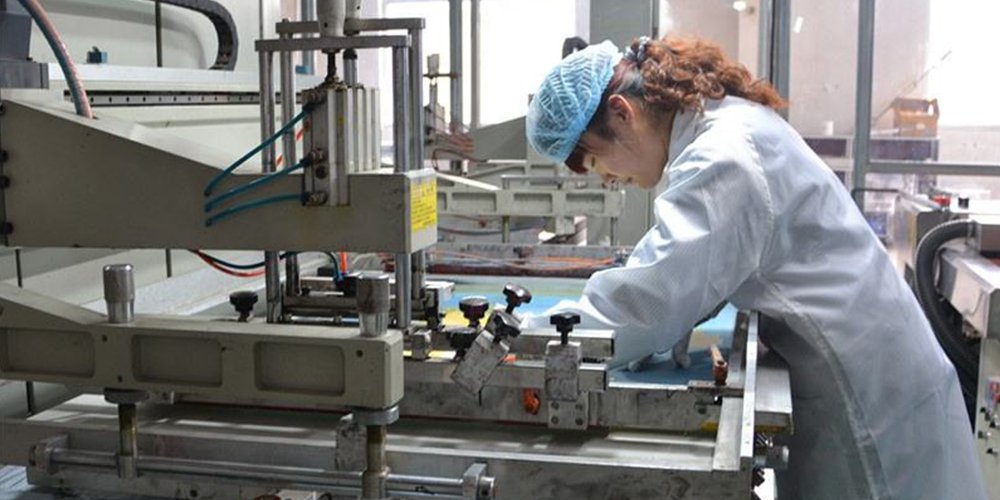
A simple stock panel and a detailed custom order are not the same experience. Custom projects require careful communication, fabrication accuracy, quality control, and an understanding of what the finished installation needs to accomplish. The right tempered glass manufacturer should be able to discuss more than price and turnaround time.
Look for a supplier who asks useful questions about the application, dimensions, edgework, hardware, and installation environment. Those questions are not delays; they are safeguards. They help prevent mismatched specifications, avoidable remakes, and panels that technically match a size but do not work well in the space.
Smarter glass choices start with better assumptions
Tempered glass is strong, practical, and versatile, but it performs best when people understand its limits. It can break, it cannot be cut after tempering, and it should be specified based on real project conditions rather than assumptions.
If you are planning a project with tempered glass, slow down before you order. Confirm the use case, measurements, hardware, edge details, and installation conditions. The more clearly you define the job, the easier it is to get glass that looks right, fits properly, and performs as expected.