


UVC Quartz Glass Plates offer excellent thermal resistance up to 1,200°C, visible light transmittance exceeding 92%, and high material purity. Featuring excellent electrical insulation and good chemical stability, these fused silica plates are suitable for laboratory equipment, optical systems, semiconductor applications.

UVC quartz glass plates are manufactured from high-purity silicon dioxide and are designed for applications requiring optical transmission, thermal resistance and chemical stability. With visible light transmittance exceeding 92%, regular operating temperatures of 1,100–1,200°C and excellent electrical insulation, quartz glass provides a combination of properties for demanding optical and industrial environments.
Also known as fused silica plates or fused quartz plates, these products are used in laboratory equipment, optical systems, semiconductor equipment and selected electro-optical applications. Their suitability depends on the required wavelength, operating temperature, material purity and working environment.
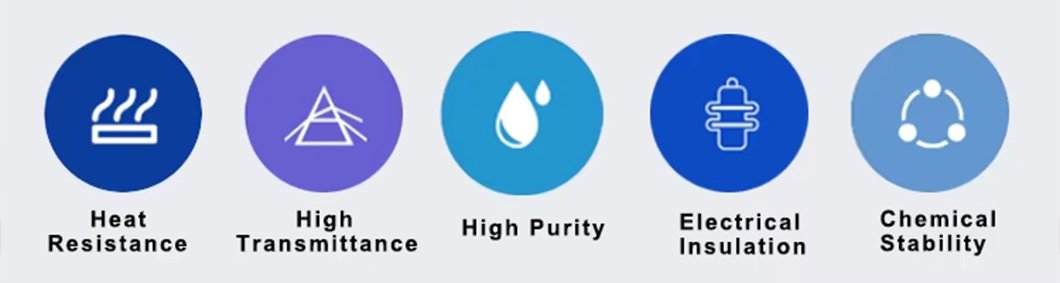
High Temperature Resistance
Quartz glass offers excellent thermal resistance, with regular operating temperatures ranging from 1,100°C to 1,200°C and short-term operating temperatures of up to 1,400°C, depending on the operating conditions. Its ability to withstand elevated temperatures makes it suitable for equipment exposed to intense heat and repeated thermal cycles.
For applications involving high temperatures, the operating environment, heating rate and thermal gradients should be considered when selecting quartz glass. Proper material selection helps ensure that the plate meets the thermal requirements of the intended equipment.
High Optical Transmittance
Quartz glass has visible light transmittance exceeding 92% and can transmit ultraviolet and infrared light. Its optical properties make it suitable for optical components and equipment that require light to pass through a transparent glass surface.
For UV applications, transmission performance varies with wavelength, material grade, thickness and manufacturing process. Buyers requiring UVC or other specific ultraviolet transmission characteristics should specify the target wavelength and required transmittance when selecting quartz glass plates.
High Material Purity
Quartz glass is primarily composed of silicon dioxide and can be manufactured from high-purity quartz raw materials. According to the supplied product information, the material purity can reach 99.99%.
High-purity quartz glass is used in applications where material composition is an important consideration, including laboratory equipment, optical systems and selected semiconductor processes. The required purity should be determined according to the operating environment and the technical requirements of the application.
Excellent Electrical Insulation
Quartz glass has excellent electrical insulation properties, making it suitable for selected electrical and electro-optical equipment. Its insulating characteristics, combined with thermal resistance and optical transparency, allow it to serve in applications where several material properties are required simultaneously.
The suitability of quartz glass for electrical insulation should be evaluated according to the operating voltage, temperature and environmental conditions of the specific application.
Good Chemical Stability
Quartz glass offers good chemical stability and resistance to many common acids. This property makes it suitable for laboratory equipment and selected industrial environments where chemical exposure is part of normal operation.
However, quartz glass is susceptible to hydrofluoric acid and hot phosphoric acid. Chemical compatibility should therefore be evaluated before selecting the material for equipment exposed to aggressive chemicals or elevated chemical processing temperatures.
Quartz glass is used in ultraviolet optical applications because it can transmit ultraviolet light while providing thermal stability and chemical resistance. Its optical performance is influenced by the wavelength of the incident light, the material composition, glass thickness and manufacturing process.
For applications involving UVC lighting or other ultraviolet equipment, selecting a suitable quartz glass plate requires more than checking visible light transmittance. The required UV wavelength range and corresponding transmission performance should be considered during material selection.
When specifying UV quartz glass, buyers should identify the target wavelength, required transmittance, plate thickness and operating conditions. These parameters help determine whether a particular quartz glass grade is suitable for the intended optical system.
Quartz glass plates are selected according to their optical, thermal and dimensional requirements. For industrial and optical applications, the main considerations include:
| Specification | Description |
| Material | High-purity quartz glass / fused silica |
| Main component | Silicon dioxide (SiO₂) |
| Visible light transmittance | >92% |
| Material purity | Up to 99.99%, subject to material grade |
| Regular operating temperature | 1,100–1,200°C |
| Short-term operating temperature | Up to 1,400°C |
| Electrical properties | Excellent electrical insulation |
| Chemical properties | Good resistance to many common acids |
| Product form | Flat quartz glass plate |
| Dimensions and thickness | To be confirmed according to product availability and customization requirements |
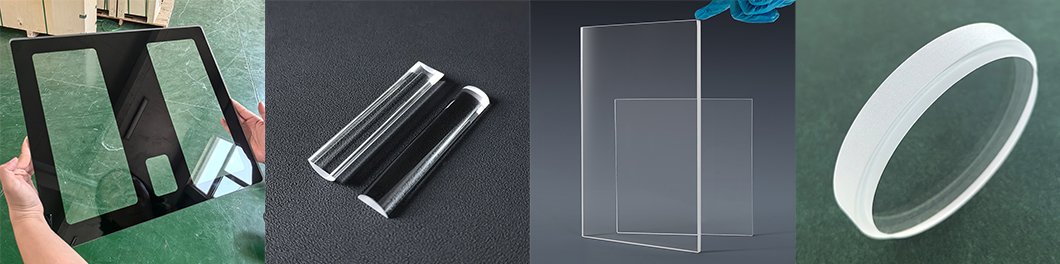
The appropriate quartz glass plate should be selected according to the actual operating conditions rather than a single material parameter. Optical transmission, temperature resistance, chemical exposure and dimensional requirements should all be considered during specification review.
Laboratory Equipment
Quartz glass is widely used in laboratory equipment and extraction equipment for high-purity materials. Its thermal resistance, chemical stability and optical transparency make it suitable for selected laboratory applications involving elevated temperatures or light transmission.
Aerospace and Optical Systems
Quartz glass is used in selected aerospace applications, including wind tunnel windows and optical systems for spectrophotometers. Its thermal resistance and radiation resistance are relevant material properties for equipment operating under demanding environmental conditions.
Optical Applications
Quartz glass is used in optical components and systems where transparency, thermal stability and dimensional accuracy are important. Its optical properties make it suitable for selected lenses, windows and other transparent components, depending on the optical design and material grade.
Semiconductor and Electro-Optical Applications
High-purity quartz glass is used in selected semiconductor and electro-optical equipment. Its electrical insulation, thermal resistance and material purity make it relevant to applications requiring stable material properties under controlled operating conditions.
The specific quartz glass grade should be matched to the equipment's optical, thermal and chemical requirements before use.
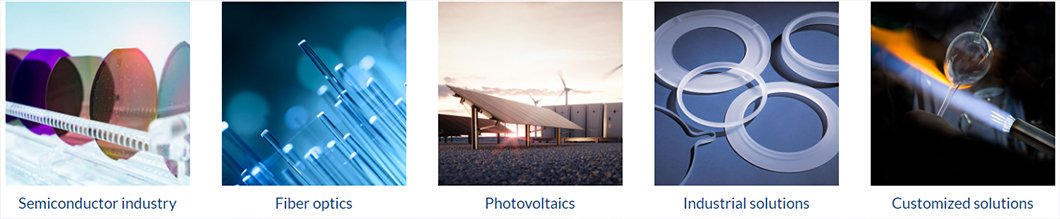
Custom quartz glass plates can be considered for applications with specific dimensional, optical and thermal requirements. When selecting a customized plate, buyers should provide the intended application, required dimensions, thickness, target wavelength and operating temperature.
For UV optical applications, wavelength-specific transmission requirements are particularly important. For high-temperature equipment, the operating temperature and thermal conditions should be considered together with the plate dimensions and installation method.
Providing these technical details during the inquiry process helps identify suitable quartz glass specifications and facilitates product evaluation for industrial and optical projects.
What is the maximum operating temperature of quartz glass?
Quartz glass typically supports regular operating temperatures of 1,100–1,200°C, while short-term operating temperatures can reach up to 1,400°C. Actual temperature limits depend on the material grade, operating environment and application conditions.
Does quartz glass transmit UVC light?
Quartz glass can transmit ultraviolet light, but its UVC transmission depends on the wavelength, material grade, thickness and manufacturing process. For applications requiring specific UVC transmission performance, wavelength-specific test data should be used to confirm material suitability.
What is the purity of high-purity quartz glass?
The supplied product specifications state a material purity of up to 99.99%. The exact purity should be confirmed for the selected material grade and corresponding product documentation.
What is the difference between quartz glass and fused silica?
Quartz glass and fused silica are closely related terms for silica-based glass materials. Their exact usage can vary according to raw materials and manufacturing processes. When selecting a product, buyers should focus on the specified material grade and its verified optical, thermal and chemical properties.
What factors should be considered when selecting UV quartz glass plates?
Important considerations include the target UV wavelength, required transmittance, glass thickness, operating temperature, material purity and chemical environment. These factors help determine whether a specific quartz glass plate is suitable for the intended equipment.
Can quartz glass plates be customized?
Quartz glass plates can be evaluated for customized applications according to the required dimensions, thickness and technical specifications. Available processing options and manufacturing tolerances should be confirmed with the supplier before placing an order.